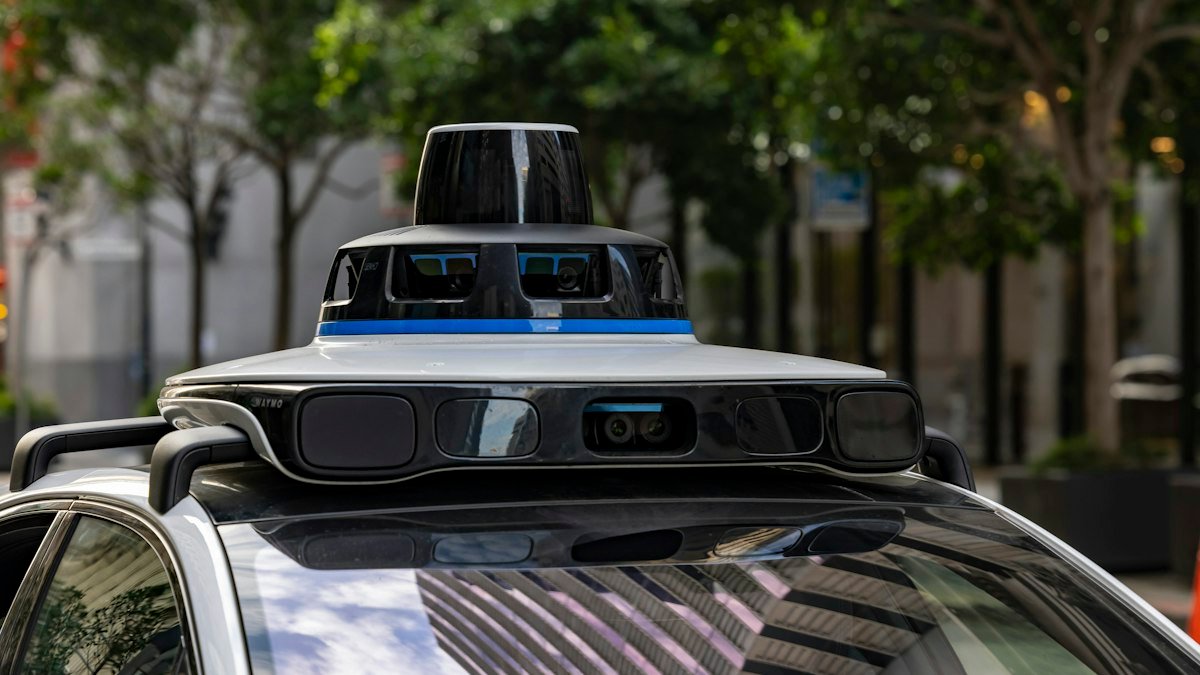
Waymo, the Alphabet-owned robotaxi company, has hit the brakes on one of its biggest selling points: driverless rides on the freeway. After a string of incidents involving construction zones, California regulators ordered Waymo’s cars off state freeways, and the company paused freeway rides in every city where it offered them. Here is what happened, how it connects to Waymo’s earlier recall, and what it means if you ride with Waymo.
The short version: On November 11, 2026, the California DMV added a freeway restriction to Waymo’s deployment permit, calling its driverless freeway operations an “imminent hazard to public safety.” Waymo then paused freeway rides nationwide, including in the Bay Area, Los Angeles, Phoenix, Miami, and Austin. Regular city-street rides are still running. This follows a June 2026 recall of 3,871 vehicles after robotaxis drove into closed freeway work zones.
What Happened?
According to the California DMV, on November 5, 2026, three Waymo robotaxis drove into an active, closed construction zone on U.S. Route 101 near Burlingame in the San Francisco Bay Area. Another incident on Interstate 280, along with a widely shared video of a Waymo trying to get past a police traffic break, added to regulators’ concerns. No injuries or collisions were reported in these incidents.
The DMV said Waymo’s freeway operations posed “an imminent hazard to public safety” and modified the company’s deployment permit on November 11. The order covers both paid rides and driverless testing on California freeways, and it stays in place until Waymo shows the DMV it has fixed the problem. The restriction became public about a week later.
Why Waymo Paused Freeway Rides Everywhere
The DMV only regulates California, but Waymo paused freeway service in all of its highway markets, not just the state. Freeway rides had been available in:
- San Francisco Bay Area
- Los Angeles County
- Phoenix
- Miami
- Austin
City-street rides in these markets continue. The main difference for riders is that trips that would normally use the freeway, such as airport runs or longer trips down the Peninsula, now take surface streets and may be slower.
Timeline: Waymo’s Freeway Troubles in 2026
| Date | What happened |
|---|---|
| November 2025 | Waymo starts offering public freeway rides in the San Francisco Bay Area, Phoenix, and Los Angeles. |
| May 18, 2026 | Waymo vehicles enter freeway lanes with active construction in the Bay Area. Waymo pauses freeway rides. |
| June 2026 | Waymo files a voluntary recall with NHTSA (Campaign 26E035000) covering 3,871 vehicles with its 5th-generation driving system, citing 13 known work-zone incidents. |
| July 2026 | Freeway rides resume after a software update designed to handle construction zones better. |
| November 5, 2026 | Three Waymo robotaxis drive into a closed construction zone on U.S. 101 near Burlingame. |
| November 11, 2026 | California DMV restricts Waymo from state freeways. Waymo pauses freeway rides in all markets. |
What Was the June Recall About?
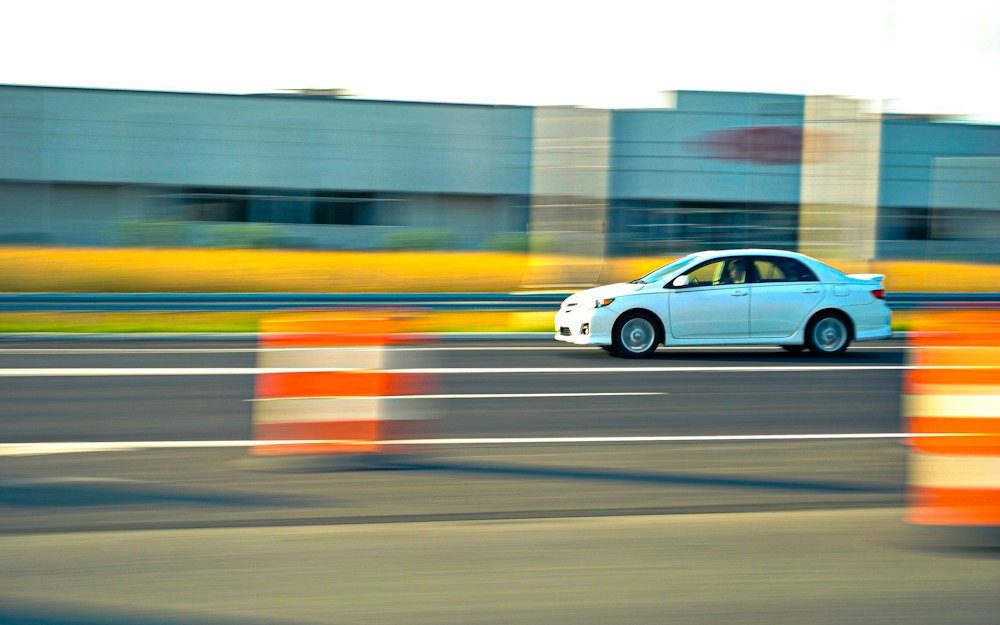
In June, Waymo filed a voluntary recall with the National Highway Traffic Safety Administration (NHTSA) after its cars drove past ramp-closure signs and into active highway construction zones. The recall covered 3,871 vehicles using Waymo’s fifth-generation Automated Driving System. NHTSA noted that driving at speed through a freeway work zone increases the risk of crashes. Of the 13 incidents cited, six took place in Phoenix and seven in San Francisco, and none involved passengers.
A recall for a robotaxi company works differently than one for your personal car. There is no trip to the dealer: Waymo owns the vehicles and fixes them with a software update. A recall also does not automatically mean the cars are pulled off the road.
Is Waymo Still Safe to Ride?
Waymo points to millions of driverless miles and safety data showing fewer injury crashes than human drivers on city streets. Critics argue that construction zones, emergency scenes, and police directions are exactly the kind of unpredictable situations driverless systems still struggle with. For now, the freeway pause removes the highest-speed scenario from the equation. If you ride Waymo, expect normal service on city streets and slightly longer trips where a freeway route would have been faster.
What Happens Next?
- Waymo says it is working with the California DMV and other state officials to resume freeway service.
- The restriction stays until Waymo demonstrates it has taken effective action on the issues the DMV identified.
- No new federal enforcement action had been confirmed in connection with the November incidents at the time of writing.
AI is changing more than just cars. See how Google’s Gemini Notebook can now turn your notes into interactive websites, or learn whether phone metal detector apps actually work.
Frequently Asked Questions
Why was Waymo banned from California freeways?
The California DMV restricted Waymo from freeways on November 11, 2026, after robotaxis repeatedly entered active construction zones, including three cars that drove into a closed work zone on U.S. 101 near Burlingame on November 5.
Is Waymo still operating?
Yes. Waymo’s robotaxis still operate on city streets. Only freeway rides are paused.
Which cities are affected by the Waymo freeway pause?
Freeway rides are paused in the San Francisco Bay Area, Los Angeles County, Phoenix, Miami, and Austin, even though the DMV order only applies to California.
How many Waymo cars were recalled?
Waymo’s June 2026 voluntary recall covered 3,871 vehicles using its fifth-generation driving system.
When will Waymo freeway rides return?
There is no set date. The California restriction remains until Waymo shows the DMV it has fixed the problems.
Sources: Fortune, Motor1, Fox News, Motor1 (recall).